
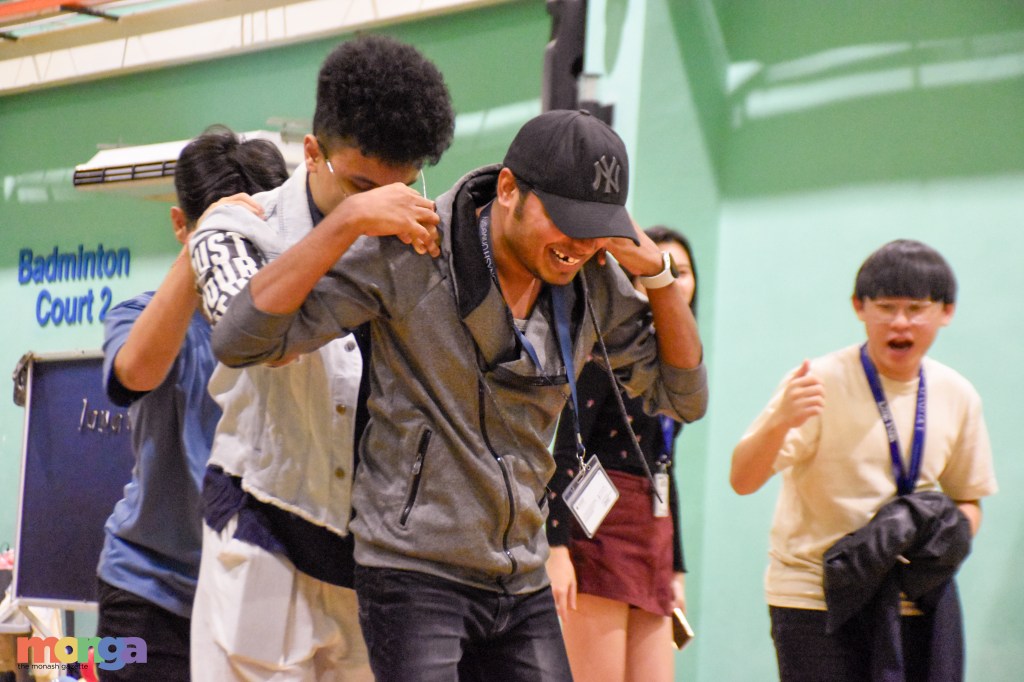
The idea that university events have to be structured into a serious and scholarly agenda lacks the baseline function of frivolity inspiring connection. Mingle events are designed to forge friendships or at the least, a mutual on instagram and a proper event design would entail an aggressive approach to making an event as frivolous as possible.
The MUSA Activities department’s MBP branch constructed a mingle event, amalgamated with a central idea of cultural connectivity. Kelvin Chioh, the MUSA Head of Activities mentioned that they “wanted to construct an event that would not only introduce facets of different cultures around the globe to the participants but also to make the transition into the Malaysian university experience easier for international students”. Evidently, this was orchestrated by having multiple booths centered around cultures from countries like China, Japan, Indonesia, and many more.
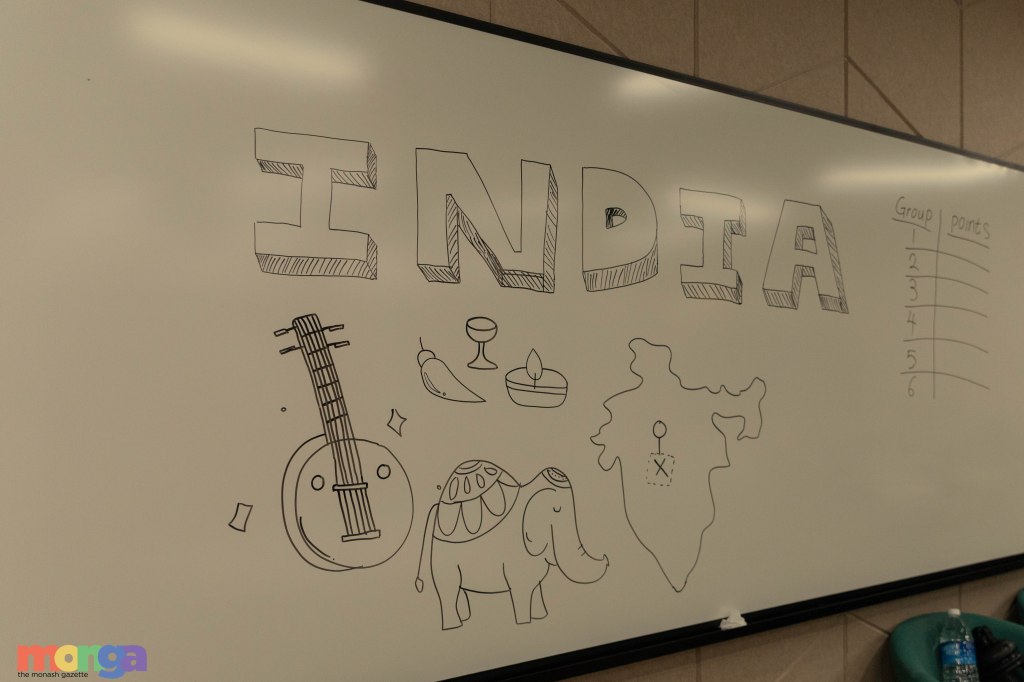
Participants were divided into groups and started their journey towards completing each station and acquainting themselves with the different cultures showcased at the stations. The participants started at the badminton court and made their way to other stations placed around the campus.
The stations were predominantly east Asian and southeast Asian countries, starting with China. The Chinese station consisted of 10 distinct levels where the participants were required to build towers based on the given design. China is very much known for its skyscrapers and late-stage capitalism, having participants build towers is quite on brand. Groups were awarded points based on the amount of successfully and accurately built towers. Each station designated a certain amount of points able to be obtained by groups and all of the points were finally compiled at the end.

It was mostly the idea of taking culture and allowing it to infuse into the performance of forging friendships that worked in Cultural Clash. A rather important facet of mingle events is the fact that the participants would likely have a better time connecting with each other if there was an overarching theme that can function as the starting point to initiating conversations with people they didn’t know. Considering that the participant pool was a fairly diverse group with many international students from different countries and Malaysian students from all over Malaysia, this theme definitely worked.

The stations themselves acted as conversation starters since most of the games played at the different stations originated or somewhat has a connection to the country that it represents. Students from those countries are likely to share their experiences playing it back home or elaborating on a local experience towards their group mates. This is precisely why I think the stations being countries at which most of the international student community originated from was really well done.
Recounting cultural experiences and blowing it up into a large-scale event like Cultural Clash was something the MBP committee did a good job at.
Written by Yashven Jayabalan
Photos by Dinya and May Ping
 musamonga.com