
They say One World is a celebration of culture. But that’s only half the truth. Culture, in this context, is not just celebrated – it’s served. Plated, priced, and posted. It is styled for visibility, spelled out phonetically, and handed over with a smile rehearsed somewhere between homesickness and hospitality.
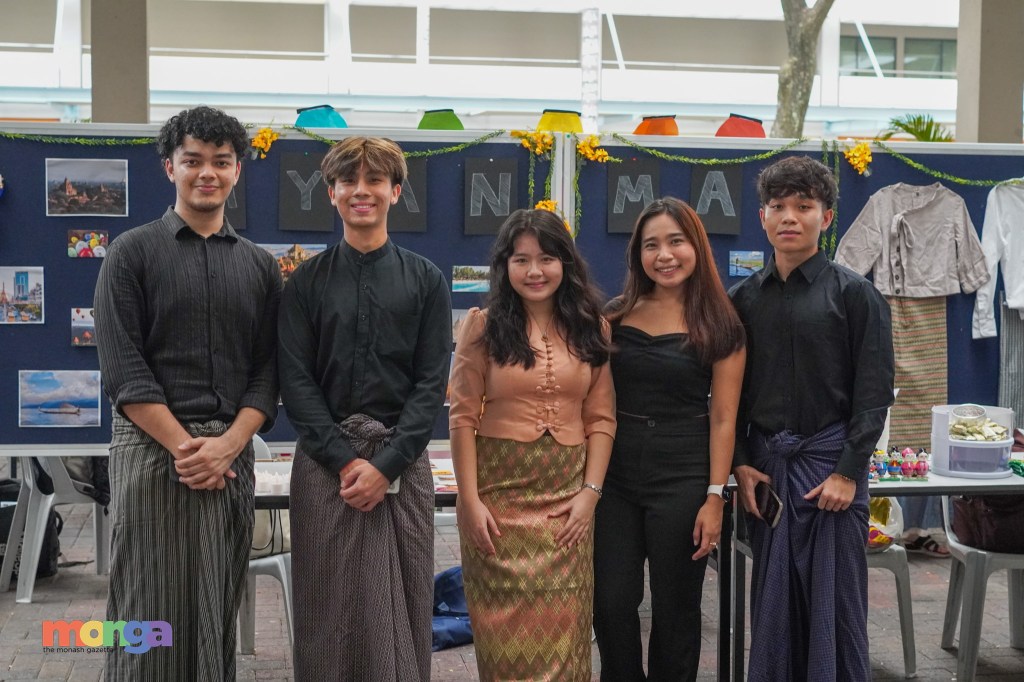
Walking through MUISS’ Cultural Bazaar on May 9 felt like watching soft labor unfold: diaspora students turning their histories into spectacle. Behind every booth was weeks of sleepless nights, budget approvals, and last-minute printing. There is no such thing as a neutral display. Everything is framed, trimmed, slightly mistranslated enough to feel familiar, but not so much as to confuse.
And yet, amid all that work, there was joy. Real joy. The kind that comes not from ease, but from effort. In places like this, culture isn’t shared. It’s negotiated. And One World, for all its color and choreography, is where those negotiations unfold, in full view, in real time, and often without enough credit.

The bazaar kicked off around 10 a.m, and quickly swelled with a crowd hungry not just for food, but for a taste of home. The communities did a great job decorating their spaces. Indonesia’s booth stood out with its charming angkringan-style roadside stall vibe. Bangladesh’s booth was a burst of colors, vibrant and lively in the best way and every booth brought its own unique flair, turning the Cultural Bazaar into a vibrant mosaic of heritage and creativity. Sri Lanka, in particular, impressed with the way they presented their food–each dish carefully plated and arranged to reflect tradition and pride. For many, the food was worth every ringgit; for others, the price reminded them that even nostalgia comes with a cost. But just as the lunch crowd began to peak, things took an unexpected turn.
Around 12:30 p.m., the MUSA treasurer’s QR code, the main payment method for the day, unexpectedly stopped working. And as the person responsible, I watched the panic unfold in real time. Booths stalled, communities scrambling for backup options, and I could do nothing but feel the weight of it all. It was one of those painfully ironic moments: the prep, all the anticipation, and then, this. A stress no one needed halfway through an already hectic day.
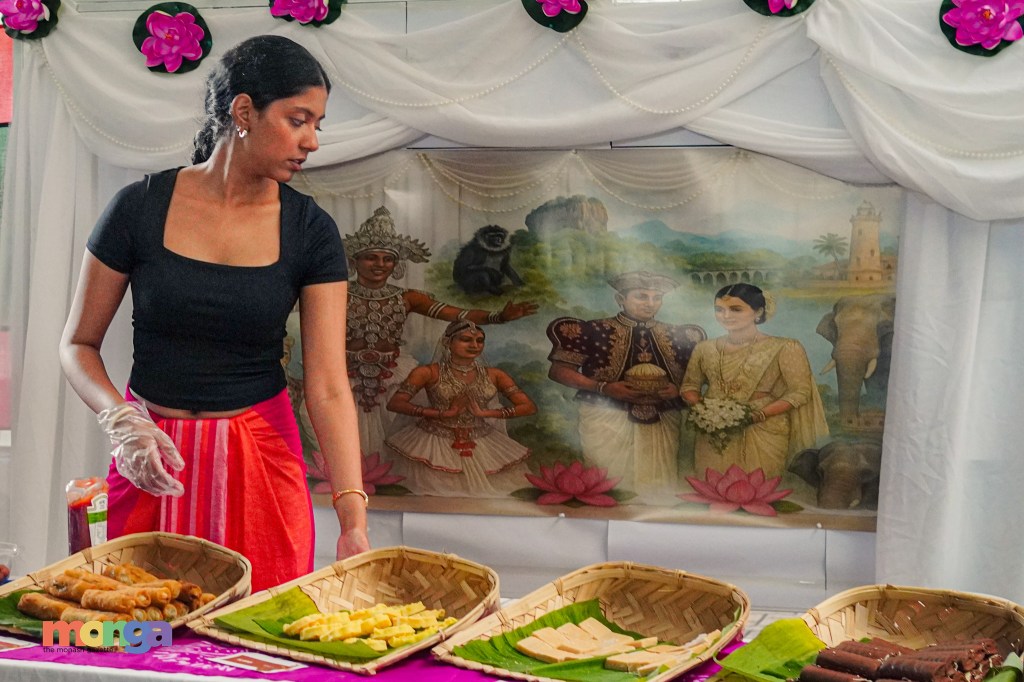
You think you’re paying RM5 for three pieces of phuchka, but you’re actually paying for the three grocery runs it took to get the chaat masala right. But seriously, phuchkas were RM5 at 10 a.m. By 1:30 p.m., they were RM 8. Bangladesh, be so real. Pakistan’s prices climbed too. Indonesia’s booth? Looked like a night market priced like a weekend getaway. The sambal was so fiery, even Farrel, the MUISS Head, nearly combusted in the middle of a conversation. No one warned us about the spice, or the markup.
But who’s really to blame here?
MUISS has been under fire recently. Back-to-back events. Holi one weekend. One World the next. Everyone’s tired. Everyone has something to say. “Why is the planning so last minute?” “Why didn’t I get the booth I wanted?” “Why is the samosa so small?” And look, fair. You’re allowed to complain. That’s what we do best on campus. But I’ve seen the WhatsApp groups. The budget spreadsheets. The backup plans. The newly appointed interim CRO, Farhat, trying to hold it together with Dylan and the rest of the committee running around like hosts of at a desi wedding.

And there it is: capitalism on standby. Waiting just behind the booth. Watching quietly while you hustle your heritage for exposure and engagement. It’s ironic, it’s exhausting, and it’s also…necessary? Because where else do we gather like this? Where else do you see your flag next to eleven others? Where else do you hear your language in the middle of Subang Jaya? Where else do you see your traditions refracted through someone else’s lens, and still feel proud?
This isn’t about purity. Or authenticity. Or “real” representation. This is about effort. And effort deserves recognition. After chatting with a few community CROs, it became clear that behind the curated warmth of each booth was a kind of quiet exhaustion. The Maldives booth was low on manpower, but full of heart. The Sri Lankan team worried their dishes wouldn’t stay hot long enough. Fabian from Brunei, despite the long hours and little sleep, still managed to serve home cooked fried chicken that had folks coming back for more—crispy, juicy, and absolutely worth every ringgit. Everyone in their own way, was holding something together with limited time, limited people, limited everything. And still they showed up. Again and again. Because that’s what One World demands.

Every year, we pull out the same traditional outfits. Rearrange our identities into neat little displays. Culture at booths becomes shorthand—something that has to be pretty, has to be digestible, has to be Instagrammable.
But culture isn’t always photogenic. It isn’t always meant for performance. Sometimes it’s a bit messy, a bit loud, a bit tired. Sometimes it’s a blurry memory passed down from your cousin who swears this is how your grandma used to make it. Sometimes it’s language that stumbles out of your mouth because you haven’t spoken it in months. That version rarely makes it to the booth.
Because who wants to display that? Who wants to explain?
And yet, that is culture too. The soft, half-remembered, half-invented parts. The parts that don’t translate. The parts you carry alone until a stranger walks past your booth, points to the wrong dish, mispronounces its name, and still, somehow, you feel seen.
That’s One World, too.

Written by Jananee Jagadeesan
Photos by Iliana, Rida and Mashrurah
 musamonga.com